コロラド対ジョージア工科大学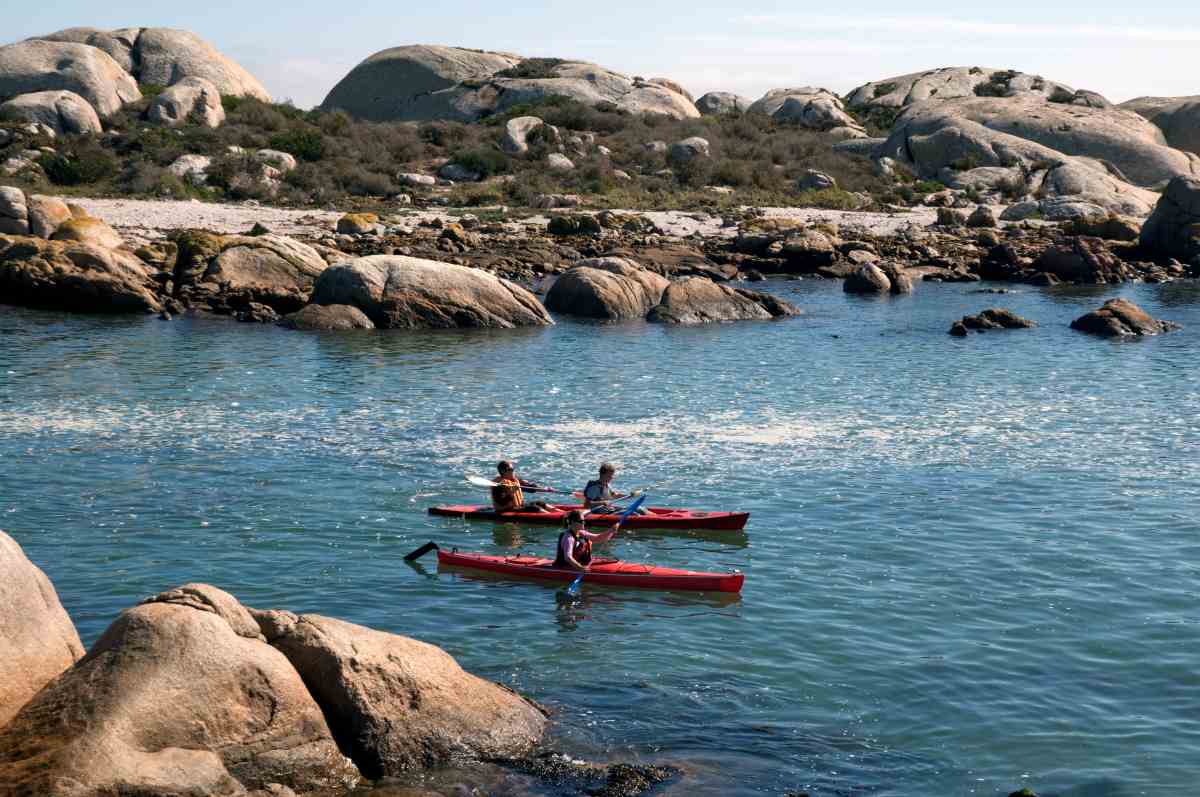

September 9, 2026 4:06 PM
Image: South Africa Tourism
South Africa’s Tourism Month 2026 campaigns focus on growing domestic travel and tourism while attracting more travelers from Africa and a more innovative digital tourism sector. The South African Department of Tourism calls this campaign “Growing South Africa’s Tourism Sector in the Digital Era.” Limpopo Province gets the focus for this campaign. The campaign culminates with South Africa celebrating World Tourism Day on September 27, 2026, in the Mapungubwe National Park and World Heritage Site in Limpopo as South Africa showcases its heritage and wildlife and community and technology-based travel.
The South Africa 2026 program looks to strengthen travel across Africa with a focus on South Africa’s people, places, and cultures. The tourism campaign uses the Didactic Journey methodology to focus on the tools of the tourism sector that promote economic development and the understanding of cultures through the lens of tourism and easier access through value for travel and visitor experiences.
South Africa Builds A Stronger African Travel Network Through Tourism Month 2026
Tourism Month 2026 is placing African travellers at the centre of South Africa’s tourism growth ambitions. The campaign is encouraging visitors from across the continent to experience South Africa’s diverse landscapes, heritage sites, hospitality offerings and cultural traditions. The focus on intra-African travel reflects changing tourism patterns across the continent. While international long-haul markets remain important, regional African visitors continue to represent a significant foundation of South Africa’s tourism economy.
Neighbouring SADC countries such as Zimbabwe, Mozambique, Lesotho and Botswana have historically contributed strong visitor numbers due to geographic proximity, family connections, business links and regional mobility. At the same time, growing markets including Nigeria, Kenya and Ghana provide new opportunities for expanding African tourism exchanges. The campaign promotes the idea that travel within Africa can strengthen connections between nations while supporting local economies. By encouraging Africans to explore African destinations, South Africa aims to increase tourism spending, create employment opportunities and strengthen cooperation across the continent.
Tourism Month 2026 also connects with broader African economic development goals, including improved regional connectivity, easier travel processes and stronger cooperation between tourism industries. The strategy positions tourism as more than a leisure activity. It presents travel as a way to build understanding between communities, celebrate shared histories and create economic opportunities for entrepreneurs, accommodation providers, guides, transport operators and cultural businesses. For South Africa, increasing intra-African travel is a key part of building a more resilient tourism sector that can benefit from both regional and international demand.
Limpopo Takes Centre Stage As South Africa Promotes Hidden Tourism Treasures
A major highlight of Tourism Month 2026 is the decision to place Limpopo Province at the centre of national tourism promotion. The province is being showcased as a destination where ancient heritage, wildlife conservation and authentic cultural experiences come together. The selection of Limpopo represents an effort to encourage travellers to move beyond traditional tourism routes focused mainly on major cities and coastal destinations. The province is home to some of South Africa’s most important cultural and natural attractions, including Mapungubwe National Park, the Waterberg Biosphere Reserve, sections of the Kruger National Park and important heritage landscapes.
Mapungubwe National Park will host South Africa’s official World Tourism Day 2026 celebration. The site is internationally recognised for its archaeological importance and its connection to the ancient Mapungubwe Kingdom, a powerful trading civilisation that flourished more than 700 years ago. Located near the meeting point of the Limpopo and Shashe rivers, the area represents an important historical connection between South Africa, Botswana and Zimbabwe. The destination combines archaeological tourism with wildlife experiences, allowing visitors to explore ancient settlements, dramatic landscapes and conservation areas. Through Limpopo’s national spotlight, South Africa aims to encourage visitors to discover rural destinations, support local communities and create stronger tourism flows beyond established hotspots.
Advertisement
Advertisement
Key Limpopo Tourism Experiences Highlighted During Tourism Month 2026
| Tourism Pillar | Featured Experience | Visitor Opportunity |
|---|---|---|
| Heritage Tourism | Mapungubwe National Park and Cultural Landscape | Ancient history, archaeology and African civilisation experiences |
| Wildlife Tourism | Kruger National Park and conservation areas | Safari, biodiversity and nature-based travel |
| Sustainable Tourism | Waterberg Biosphere Reserve | Responsible tourism and outdoor adventures |
| Cultural Tourism | Rural and community experiences | Local traditions, crafts, food and storytelling |
| Science Tourism | Northern Cape astronomy links | Dark-sky experiences and educational travel |
Digital Transformation Becomes The New Engine Of South African Tourism Growth
Technology is one of the strongest themes driving Tourism Month 2026. The campaign highlights how digital platforms and artificial intelligence are changing the way travellers discover destinations, organise journeys and make booking decisions. The global World Tourism Day 2026 theme, “Digital Agenda and Artificial Intelligence to Redesign Tourism,” closely aligns with South Africa’s national focus on growing tourism through digital innovation.
Today’s travellers increasingly begin their journeys online. A destination discovery can start with a social media video, a digital recommendation, an online review or an artificial intelligence-powered travel search. South Africa is using this changing travel behaviour as an opportunity to improve destination visibility and help tourism businesses reach larger audiences.
Digital transformation is particularly important for small and medium tourism enterprises. Local guesthouses, tour operators, restaurants, guides and community-based tourism businesses can use online platforms to showcase their products to travellers from Africa and international markets. Technology can help smaller operators improve visibility, simplify bookings and compete more effectively with larger tourism companies. The digital strategy also supports smarter tourism planning. Data-based insights can help tourism organisations understand visitor preferences, improve marketing campaigns and develop experiences that match changing traveller expectations.
Artificial intelligence is expected to influence areas such as:
- Personalised travel recommendations
- Digital itinerary creation
- Online customer service
- Language translation tools
- Experience discovery platforms
- Faster booking processes
South Africa’s tourism authorities are focusing on ensuring that digital growth benefits the entire tourism ecosystem, including smaller businesses and communities.
Affordable Travel Campaigns Encourage More South Africans To Explore Their Own Country
Tourism Month 2026 is not only focused on international and African visitors. It also encourages South Africans to travel domestically and discover destinations within their own country. The campaign highlights that tourism growth begins with local participation. When residents explore different provinces, they contribute directly to accommodation providers, restaurants, attractions, transport businesses and community tourism operators. One of the major initiatives supporting domestic travel is Sho’t Left Travel Week, which provides discounted travel opportunities through partnerships with accommodation providers, airlines, attractions and tourism businesses.
The programme aims to make travel more affordable by offering special packages and encouraging South Africans to take short breaks, weekend trips and longer domestic holidays. Another major initiative is SANParks National Parks Week, which allows visitors to access selected national parks through free day visits, encouraging stronger connections with South Africa’s conservation heritage. Provincial Mahala Weeks further expand affordable tourism opportunities by opening access to local attractions, cultural sites, botanical gardens and nature reserves.
Major Tourism Month 2026 Initiatives
| Initiative | Purpose | Tourism Impact |
|---|---|---|
| Sho’t Left Travel Week | Discounted domestic travel packages | Encourages affordable local holidays |
| SANParks National Parks Week | Free access opportunities | Promotes conservation tourism |
| Provincial Mahala Weeks | Local attraction access | Supports regional tourism growth |
| African Travel Promotion | Encourages continental visitors | Strengthens intra-African tourism |
| Digital Tourism Development | Improves online visibility | Supports tourism businesses |
Heritage, Wildlife And Community Tourism Create New Visitor Opportunities
South Africa’s Tourism Month 2026 campaign places strong emphasis on experiences that connect visitors with authentic destinations. Heritage tourism remains a major attraction, with locations such as Mapungubwe offering insights into Africa’s historical achievements and cultural development. Wildlife tourism continues to remain one of South Africa’s strongest tourism assets. National parks, private reserves and conservation areas attract travellers seeking safari experiences and nature-based adventures.
The campaign also highlights the growth potential of astro-tourism, particularly through the Northern Cape’s astronomy resources, including scientific research locations and dark-sky areas. Community tourism is another important focus area. Township and rural tourism experiences are being promoted to ensure tourism benefits reach local communities. Destinations such as Soweto in Gauteng, rural areas in Limpopo and cultural communities across South Africa provide visitors with opportunities to experience local food, traditions, music, art and everyday life. This approach supports inclusive tourism development by allowing communities to become active participants in the tourism economy.
South Africa Uses Tourism Month 2026 To Build A More Inclusive Tourism Future
Tourism Month 2026 demonstrates South Africa’s goal to create tourism that combines heritage, technology, affordability and regional integration. The campaign recognizes future tourism will depend on strengthened African connections, better digital access and increased tourism and small business involvement from the community. South Africa is encouraging travelers to explore beyond the beaten path to discover new tourism experiences by promoting Limpopo and Mapungubwe, as well as other less known tourism destinations. South Africa’s digital focus will help destinations use technology to grow tourism and bring new opportunities for tourism enterprises.
The campaign, however, shows that human connections must remain at the tourism heart. Digital tourism may help tourists discover destinations. However, at the heart of travel are hosts and communities and their culture, which remains the backbone of the future competitiveness of any tourism destination. Tourism Month 2026 shows how South Africa combines ancient heritage and modern innovations. South Africa aims to strengthen its place on the African continent as a major destination for tourism through stronger African travel, digital transformation and inclusive tourism. The evolution of tourism worldwide is South Africa’s main focus when combining the protection of heritage and the creation of new job opportunities for communities.
Advertisement
Advertisement