コロラド対ジョージア工科大学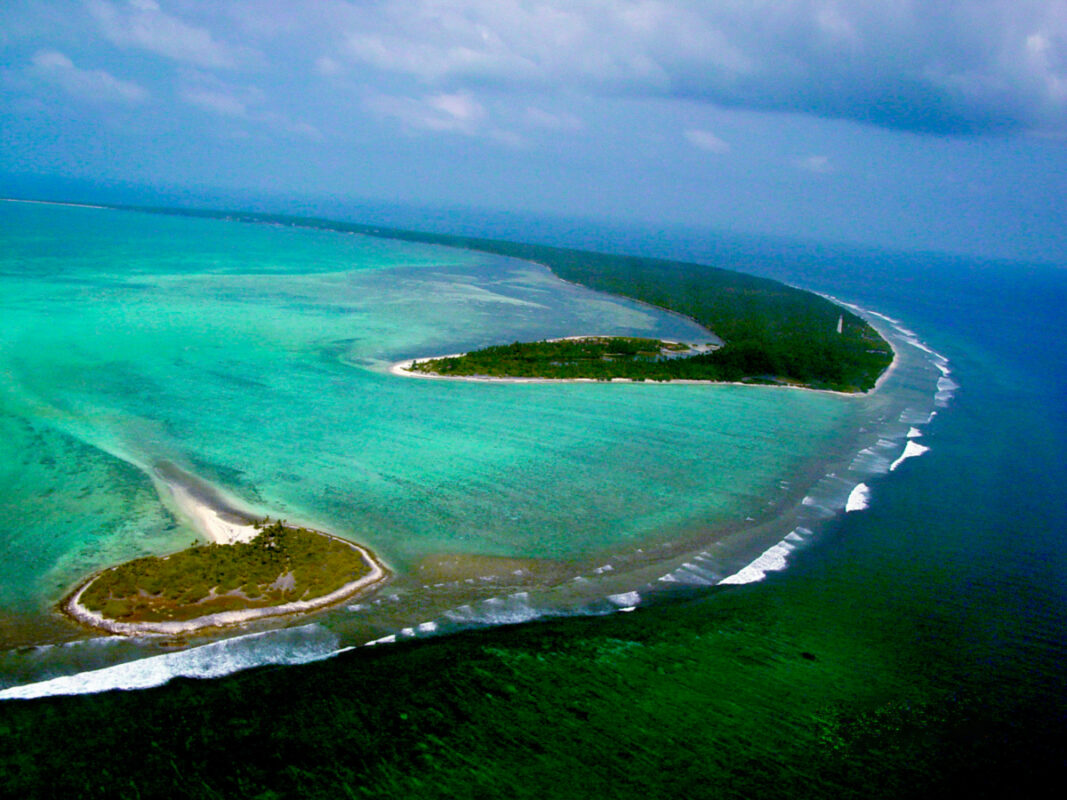
Lakshadweep, a breathtaking archipelago scattered across the Arabian Sea off the coast of Kerala, is one of India’s most remarkable tropical destinations. Comprising 36 islands, 12 atolls, 3 reefs and 5 submerged banks, this tiny Union Territory is renowned for its powdery coral-sand beaches, turquoise lagoons, vibrant coral reefs and remarkably peaceful island landscapes.
Located approximately 220 to 440 kilometres from the coast of Kochi, Lakshadweep remains one of India’s most secluded holiday destinations. Its remoteness, limited tourism infrastructure and regulated access have helped preserve much of its natural character. The islands are particularly attractive to travellers looking for a combination of pristine beaches, marine life, water sports, island culture and peaceful tropical escapes.
For visitors, however, Lakshadweep is not simply a beach destination. Each accessible island has its own character. Agatti is the principal air gateway, Bangaram is known for its secluded resort setting and spectacular lagoon, Kadmat is a major water-sports and diving destination, while Kavaratti combines beaches, marine activities and the cultural character of the administrative capital. Further south, Minicoy offers a distinctly different culture, language and traditional lifestyle.
In this detailed guide, we will explore the best places to visit in Lakshadweep, including the major tourist islands as well as selected lagoons, islets, coral banks and lesser-known attractions that can be visited subject to permissions and local arrangements.
Whether you are planning a family holiday, honeymoon, diving expedition, island-hopping adventure or simply a few days of complete relaxation beside a turquoise lagoon, this guide will help you understand what makes each destination special and how to plan your Lakshadweep experience.
Planning a Lakshadweep holiday? Explore our detailed Lakshadweep Tour Packages to find suitable itineraries, island combinations and travel options.
Why This Guide to Places to Visit in Lakshadweep?
Lakshadweep is made up of numerous islands, atolls, reefs and submerged banks, but not every location is a conventional tourist destination. Some islands have established tourism facilities, while others are inhabited but have very limited visitor infrastructure. Several uninhabited coral formations can only be approached through specially arranged boat excursions and may require additional permissions.
That is why choosing the right island is important. A traveller interested in scuba diving may prefer Kavaratti or Kadmat, while someone looking for a secluded island experience may find Bangaram or Thinnakara more appealing. Those interested in culture may prefer Minicoy or Amini, whereas travellers seeking a quieter, less commercialised atmosphere can consider destinations such as Bitra, Chetlat or Kiltan where access and accommodation are more limited.
Our guide combines the major tourist attractions with practical information about the islands, activities, accessibility and the type of experience you can expect.
Lakshadweep Entry Permit and Tourist Access
Before planning an island-hopping itinerary, it is important to understand that an entry permit is required to visit Lakshadweep, including for Indian citizens. The Lakshadweep Administration states that, after obtaining the required permit, Indian visitors are permitted to visit all islands, while foreign tourists are currently permitted to visit Agatti, Bangaram and Kadmat, subject to the applicable rules and permissions.
Permit regulations and island access can change, so travellers should verify the latest requirements with the Lakshadweep Administration before booking flights, accommodation or inter-island transfers.
For the latest permit information, refer to the official Lakshadweep Entry Permit information published by the Lakshadweep Administration.
Lakshadweep’s Tourist Attractions at a Glance
The following table provides a quick overview of some of the most interesting islands and attractions covered in this guide. The level of tourist infrastructure, accommodation and accessibility varies considerably from one island to another.
| Island / Destination | Why It Is Unique | Main Attractions & Experiences |
|---|---|---|
| Agatti Island | The principal air gateway to Lakshadweep and home to a spectacular lagoon. | Agatti Lagoon, beaches, coral reefs, snorkeling, scuba diving, boat excursions and island walks |
| Kalpitti | A small uninhabited islet close to Agatti, surrounded by shallow turquoise waters. | Sandbanks, lagoon, snorkeling, marine exploration and boat excursions |
| Bangaram Island | A secluded tourist island surrounded by a beautiful shallow lagoon. | Bangaram Beach, snorkeling, scuba diving, kayaking, fishing and sunset experiences |
| Thinnakara Island | A small island sharing the spectacular Bangaram lagoon system. | Beaches, kayaking, snorkeling, sandbanks, sunsets and island relaxation |
| Kavaratti Island | The capital and administrative headquarters of Lakshadweep. | Beaches, lighthouse, marine attractions, snorkeling, scuba diving and local culture |
| Kadmat Island | A major water-sports and scuba-diving destination with lagoons on both sides. | Long beaches, lagoon, kayaking, snorkeling, scuba diving, windsurfing and water sports |
| Amini Island | An inhabited island known for traditional craftsmanship and island culture. | Beaches, local life, traditional crafts, lagoon experiences and cultural exploration |
| Minicoy Island | The southernmost inhabited island, culturally distinct from the northern islands. | Minicoy Lighthouse, lagoons, traditional villages, Lava dance, tuna fishing and water sports |
| Bitra Island | A tiny inhabited island offering a quieter and more remote Lakshadweep experience. | Beaches, lagoon, coral reefs, birdwatching, snorkeling and local island life |
| Kalpeni Island | Known for its lagoon and surrounding smaller islets. | Kalpeni Beach, Tip Beach, kayaking, snorkeling, island excursions and lagoon activities |
| Kiltan Island | A relatively quiet northern island with strong maritime and cultural traditions. | Beaches, lagoon, fishing, local culture, snorkeling and kayaking |
| Chetlat Island | A peaceful northern island surrounded by lagoon waters and coral reefs. | Beaches, snorkeling, kayaking, fishing and village experiences |
| Andrott Island | The largest inhabited island and an important cultural and historical destination. | Juma Masjid, beaches, local fishing communities, island walks and cultural exploration |
| Suheli Par | A remote coral atoll with lagoons and rich marine surroundings. | Marine exploration, fishing, snorkeling and boat excursions, subject to permissions |
| Perumal Par | A submerged coral bank rather than a conventional inhabited island. | Sandbanks, marine life, snorkeling, fishing and specialised boat excursions, subject to permissions |
Now, let’s explore these destinations in greater detail and understand what makes each one worth visiting.
How Many Days Do You Need on Each Lakshadweep Island?
If you are arriving by flight at Agatti Airport, planning your Lakshadweep itinerary requires more than simply deciding how many nights you want to spend on each island. Inter-island ferry and high-speed vessel services operate according to the season, weather and published schedules, and not every island has a daily direct connection with Agatti. Therefore, allowing an additional buffer night on a well-connected island such as Kavaratti can make your itinerary much more practical.
The table below gives a practical estimate of the minimum stay recommended for each island and the most convenient way to plan onward sea travel, assuming that your Lakshadweep trip begins with a flight arrival at Agatti Airport.
| Island | Minimum Stay Recommended | Ferry / Vessel Connectivity for Travellers Arriving at Agatti |
|---|---|---|
| Agatti | 2 Nights / 3 Days | Best starting point after your flight arrival. Direct boats to Kavaratti and Kadmat are available during the fair season, subject to the current operating schedule and weather. |
| Kavaratti | 2 Nights / 3 Days | One of the most useful inter-island bases. Sea connectivity from Agatti is available during the fair season; onward vessel connections to other islands depend on the published schedule. Daily Afternoon Ferry from Agatti |
| Kadmat | 2 Nights / 3 Days | Can be reached from Agatti during the fair season. Kavaratti can also be used as an onward/inter-island connection point, depending on the current vessel schedule. Daily Morning Ferry from Kavaratti |
| Kalpeni | 3 Nights / 4 Days | Better planned with 2–3 nights at Kavaratti as a connection buffer when required. Direct or onward vessel frequency is limited compared with Agatti–Kavaratti/Kadmat routes and must be checked for the travel date. Bi-weekly Ferry from Kavaratti. |
| Minicoy | 2–3 Nights / 3–4 Days | Best planned around the available ship/vessel schedule. It is considerably less convenient to combine with a short Agatti itinerary, so allow additional buffer time for sea transfers. |
| Amini | 2 Nights / 3 Days | Usually more practical to connect through the northern island network, particularly Kavaratti/Kadmat, rather than relying on a direct Agatti transfer. Check the current vessel schedule before booking. |
| Andrott | 2 Nights / 3 Days | Best planned through Kavaratti and the central inter-island vessel network. Direct connectivity and frequency vary according to the published sailing schedule. |
| Bitra | 2 Nights / 3 Days | Requires more careful planning because of its remote location and limited connectivity. Kavaratti/Kadmat or the northern island network may be required depending on the sailing schedule. |
| Chetlat | 2 Nights / 3 Days | Best approached through the northern island network. Ferry and high-speed vessel connections are schedule-dependent rather than guaranteed daily. |
| Kiltan | 2 Nights / 3 Days | More conveniently combined with the northern islands such as Kadmat and Amini. Allow a buffer night if your onward vessel connection is not on the same day. |
| Bangaram | 2 Nights / 3 Days | Usually planned from Agatti by boat, subject to weather and local transfer arrangements. Ideal as a dedicated stay rather than trying to squeeze it into a same-day island-hopping itinerary. |
| Thinnakara | 1–2 Nights / 2–3 Days | Normally combined with the Bangaram/Agatti circuit. Boat transfers are locally arranged and depend on weather, sea conditions and tourism operations. |
| Kalpitti | Day Trip / 1 Night if available | Best treated as an excursion from Agatti rather than a separate base. Boat access is subject to local arrangements, tides, weather and permissions. |
| Suheli Par | Day Trip / Special Excursion | Not a regular ferry destination. Requires special boat arrangements and applicable permissions. It should not be included in an itinerary without confirming access beforehand. |
| Perumal Par | Day Trip / Special Excursion | Not a conventional inhabited tourist island or regular ferry destination. Visits require specially arranged boat excursions and applicable permissions. |
Important: The ferry information above should be treated as itinerary-planning guidance, not as a fixed timetable. Lakshadweep’s official transport information states that high-speed vessels operate primarily between the islands during the fair-weather season, while boat services from Agatti to Kavaratti and Kadmat are available during the fair season. Vessel timings and routes can change because of weather, sea conditions, operational requirements and seasonal schedules.
Before finalising your accommodation, always check the current Lakshadweep vessel schedule and ticket availability. The Lakshadweep Administration also provides official ship-ticketing facilities for individual islands.
Agatti Island – The Gateway to Lakshadweep
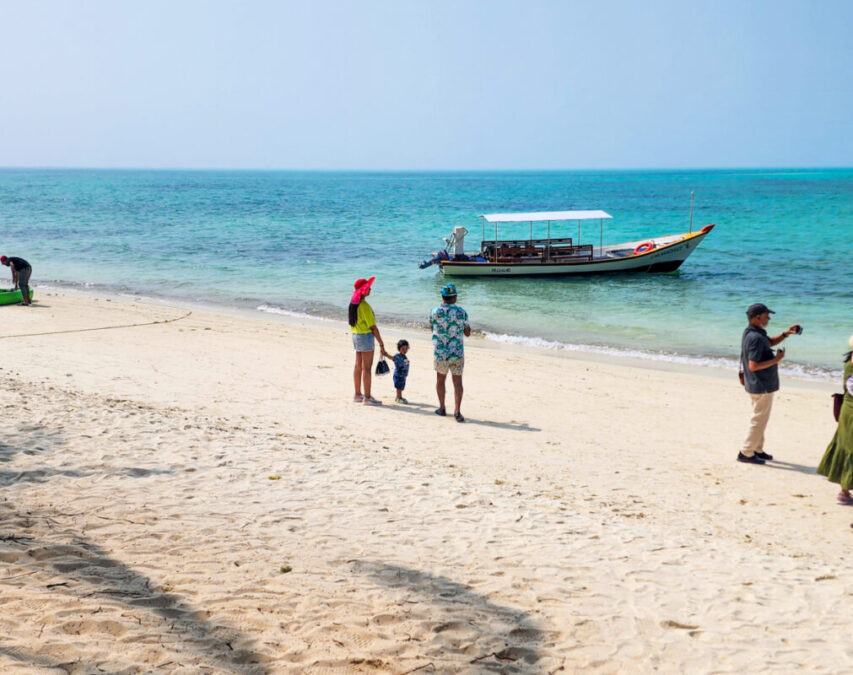
Agatti Island is the principal gateway to Lakshadweep for visitors arriving by air. The island is home to the Union Territory’s only airport, and the approach to the runway itself is one of the most memorable parts of the journey. As the aircraft descends, passengers get a spectacular aerial view of the narrow island surrounded by the brilliant blue waters of the Arabian Sea.
Agatti is particularly famous for its beautiful lagoon, white coral-sand beaches and excellent opportunities for water-based activities. The island offers a convenient introduction to Lakshadweep because visitors can combine beach relaxation with snorkeling, scuba diving, boat excursions and exploration of the surrounding lagoon.
The Lakshadweep Administration describes Agatti as the virtual gateway to the islands and confirms that air connectivity from Kochi is available. During the fair season, boats also operate from Agatti towards destinations such as Kavaratti and Kadmat.
Kalpitti Islet – A Quiet Lagoon Escape Near Agatti
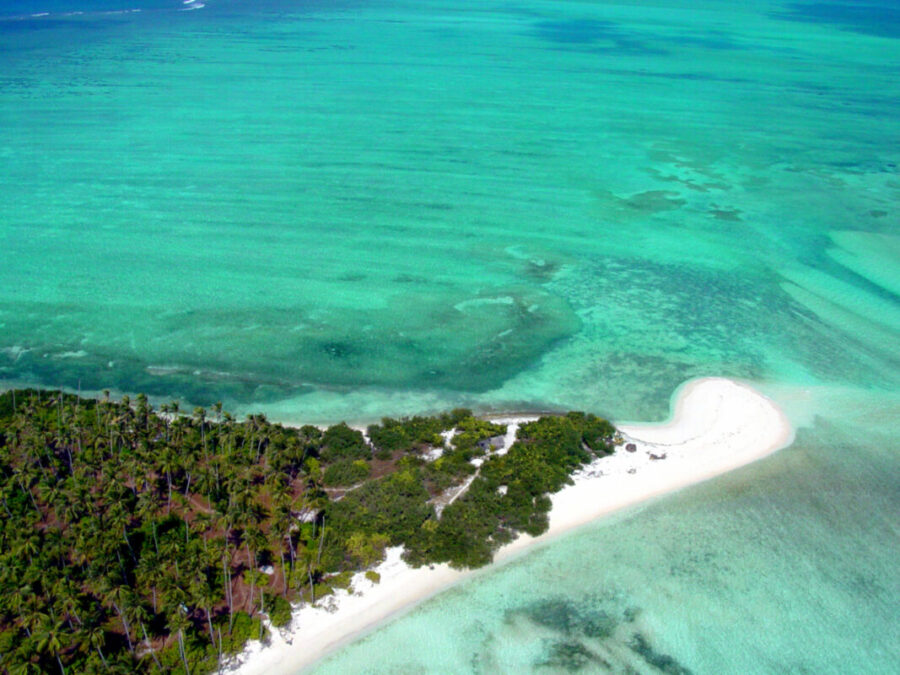
Kalpitti is a small uninhabited islet associated with the Agatti area and offers a very different experience from the more developed inhabited islands. Rather than being a conventional tourist island with permanent facilities, Kalpitti is best experienced as a boat excursion into Lakshadweep’s lagoon environment.
The surrounding shallow turquoise waters, sandy stretches and coral-rich marine environment make the islet particularly attractive to travellers interested in snorkeling, photography, sandbanks and marine exploration.
The absence of conventional tourist infrastructure is part of Kalpitti’s appeal. There are no regular hotels, restaurants or extensive visitor facilities on the islet, so excursions need to be planned through appropriate local operators and according to prevailing weather and sea conditions.
Bangaram Island – A Secluded Tropical Paradise
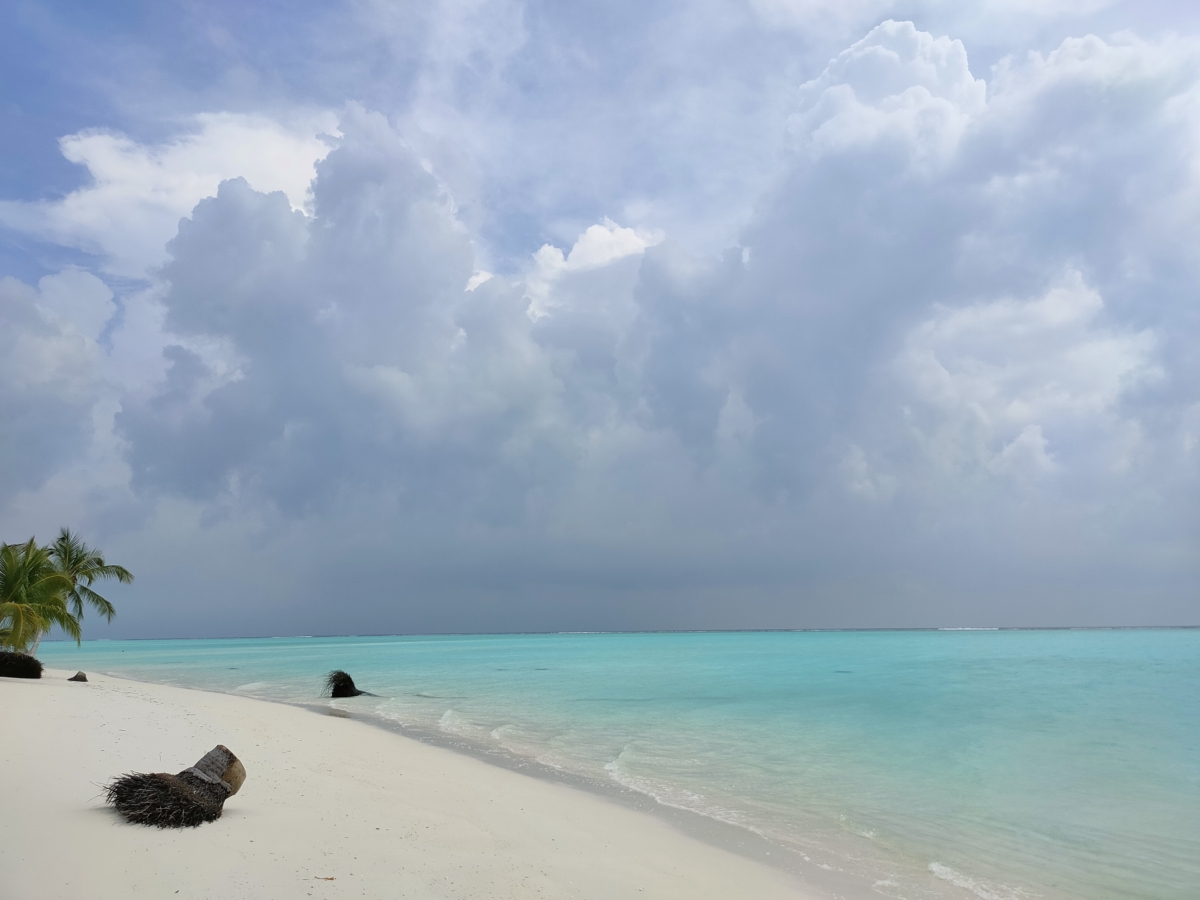
Bangaram Island is one of the most spectacular destinations in Lakshadweep for travellers looking for a secluded tropical escape. Located in the Bangaram Atoll, the island is surrounded by a vast lagoon with remarkably clear water, white coral-sand beaches and extensive reef areas.
Unlike the inhabited islands, Bangaram has a distinctly remote character. Its relatively isolated setting, limited infrastructure and beautiful beaches make it particularly appealing for honeymooners, couples, photographers and travellers who want to spend time away from crowded tourist destinations.
The surrounding lagoon is the real star of Bangaram. Depending on the weather, sunlight and tide, the shallow water changes through extraordinary shades of turquoise, aqua and blue. The calm lagoon also creates excellent conditions for swimming and a range of non-motorised water activities.
Bangaram is also an important destination for snorkeling and scuba diving. The surrounding reefs provide opportunities to observe colourful reef fish, coral formations and other marine life. Experienced divers can explore deeper sites around the atoll where underwater visibility can be excellent when sea conditions are favourable.
Thinnakara Island – Beaches, Lagoons and Island Serenity
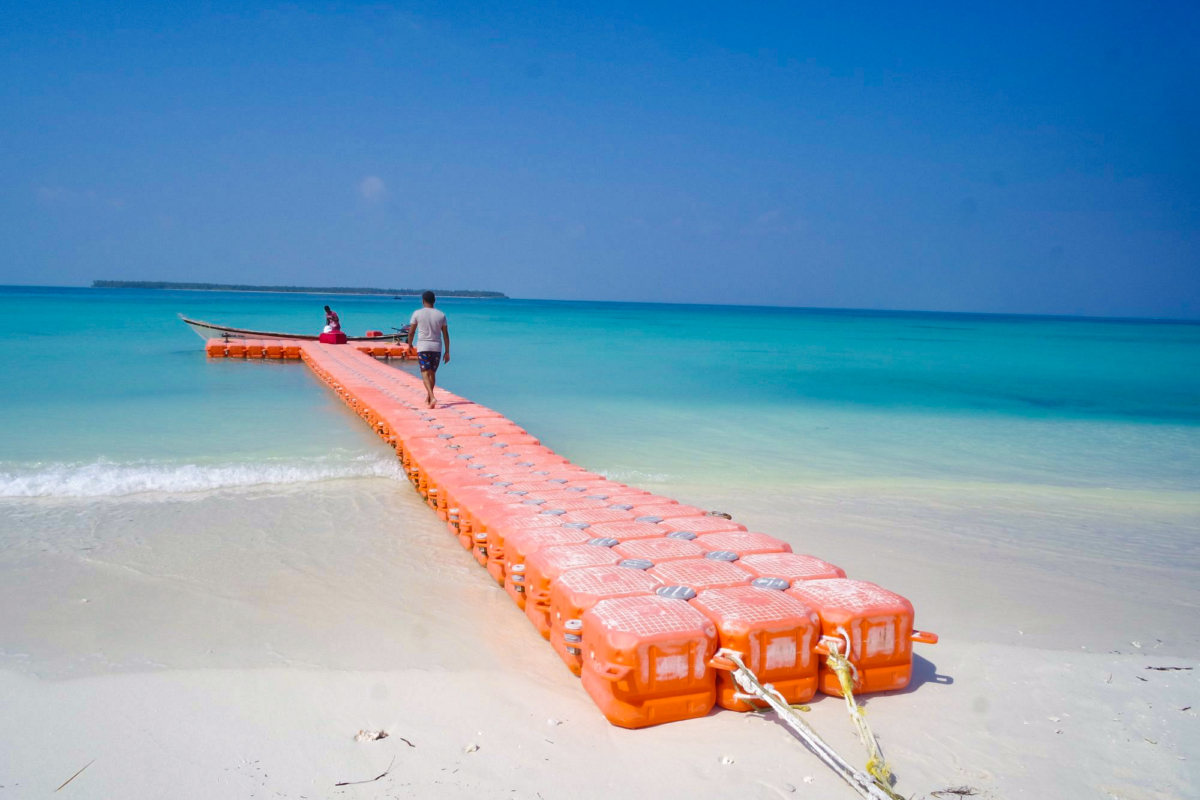
Thinnakara Island is a small, uninhabited tourist destination in the Bangaram Atoll and is one of the most attractive places to visit around Bangaram. The island is surrounded by a spectacular lagoon and is known for its long sandy beaches, shallow waters and peaceful atmosphere.
Thinnakara is particularly appealing to travellers who want to experience the quieter side of Lakshadweep. There are no busy streets or urban attractions here. Instead, the experience revolves around the beach, lagoon, marine life, kayaking, snorkeling and spectacular sunsets.
The shallow lagoon is especially inviting when sea conditions are calm. The clarity of the water allows visitors to appreciate the sandy seabed and, in suitable locations, observe fish and coral formations from the surface.
Kayaking is another excellent way to explore the island. Paddling along the shoreline provides a different perspective of the beach and lagoon while allowing visitors to enjoy the silence and isolation of the surrounding environment.
Parali Islands – Small Islets Around Bangaram
The Parali Islands are small, uninhabited islets associated with the Bangaram Atoll. Parali 1 and Parali 2 are often included in boat excursions around the Bangaram–Thinnakara area, providing visitors with an opportunity to experience the more remote side of Lakshadweep.
These tiny islands are not conventional tourist destinations with hotels and developed facilities. Their attraction lies in their natural surroundings, coral-rich waters, sandy beaches and sense of isolation.
Boat trips around the Bangaram Atoll may combine Parali with Thinnakara and Bangaram, creating a memorable lagoon and island-hopping experience.
Perumal Par – A Remote Coral Bank and Sandbank Experience
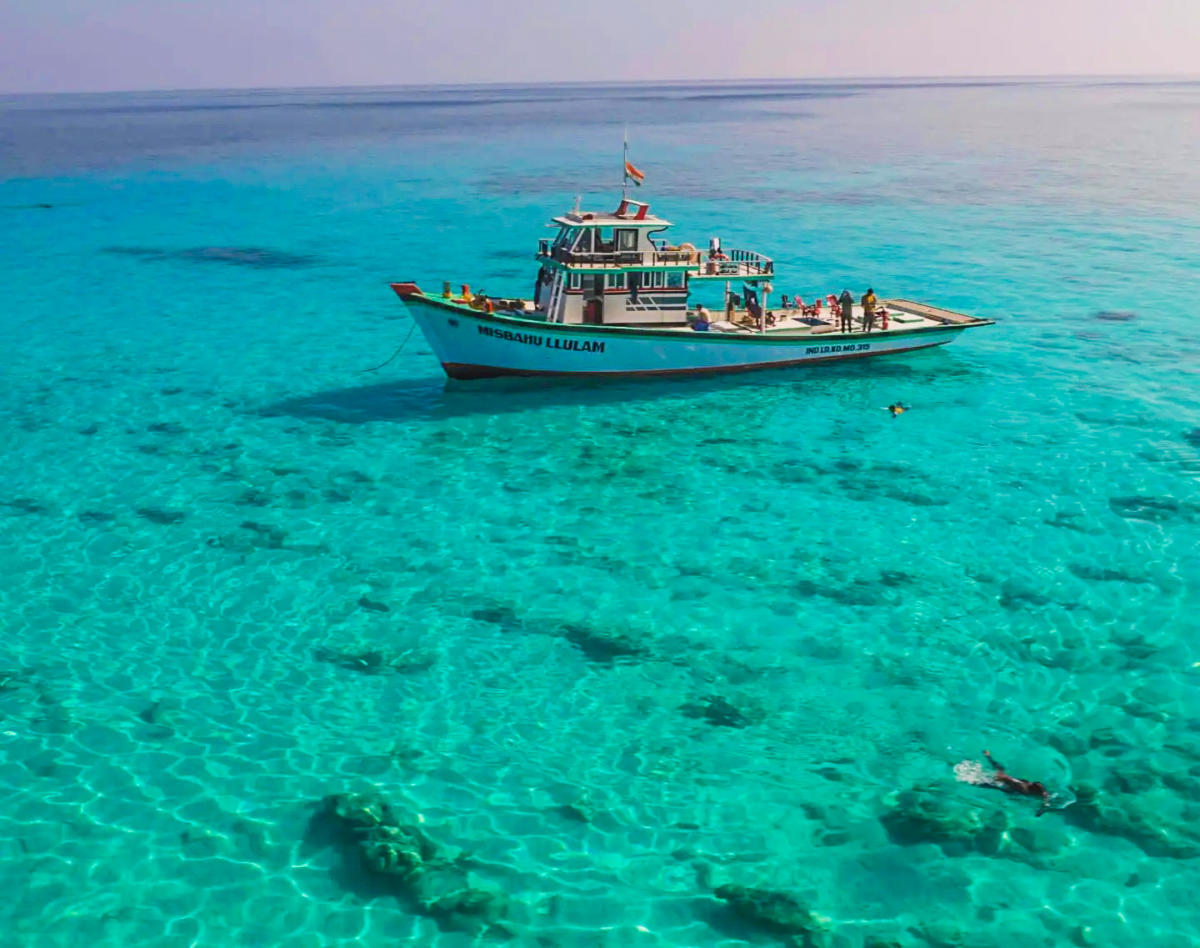
Perumal Par is different from the inhabited tourist islands of Lakshadweep. It is a remote coral bank rather than a conventional island with permanent settlements, hotels or tourist infrastructure.
Its appeal comes from the surrounding coral reef environment, clear waters, marine life and sandbanks. For adventurous travellers, a carefully arranged boat excursion to this remote area can provide an extraordinary glimpse of Lakshadweep’s marine landscape away from the better-known tourist islands.
The surrounding waters can offer opportunities for marine observation, snorkeling, fishing and, where permitted and appropriate, diving. Dolphin sightings may also be possible in the wider waters, although wildlife encounters can never be guaranteed.
Kavaratti Island – The Capital of Lakshadweep
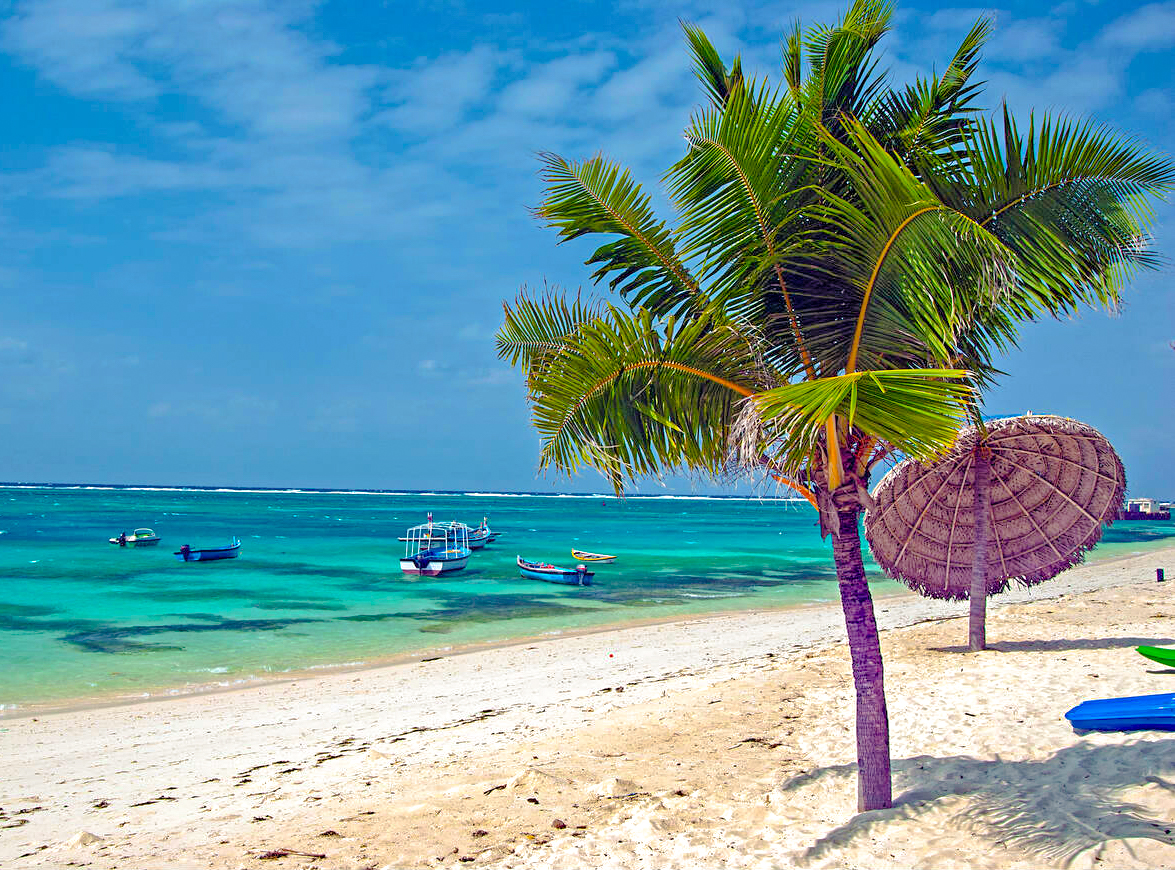
Kavaratti is the capital of the Union Territory of Lakshadweep and one of the most developed islands for tourism. It combines beautiful beaches and lagoons with cultural attractions, marine activities and the everyday life of an inhabited island community.
For travellers who want more than a secluded beach, Kavaratti offers a good balance between water sports, sightseeing, local culture and relaxation.
The island is surrounded by a lagoon with clear, calm waters in suitable weather conditions. This makes Kavaratti a popular location for snorkeling, swimming, kayaking and scuba diving.
Kavaratti is also known for its marine attractions. The island has facilities associated with marine conservation and water sports, while its diving areas provide opportunities for both beginners and experienced divers depending on the site and conditions.
Agatti, Bangaram or Kavaratti – Which One Should You Choose?
| Island | Best For | Overall Experience |
|---|---|---|
| Agatti | First-time visitors, beaches, snorkeling and easy air access | Convenient, scenic and activity-focused |
| Bangaram | Couples, honeymooners and secluded beach holidays | Remote, peaceful and visually spectacular |
| Kavaratti | Diving, sightseeing, culture and water sports | More developed and diverse |
If you are visiting Lakshadweep for the first time, Agatti, Bangaram and Kavaratti offer three distinctly different experiences. Agatti is the easiest starting point for air travellers, Bangaram is ideal for those seeking a secluded tropical setting, while Kavaratti provides a stronger combination of water sports, sightseeing and island culture.
However, the best choice ultimately depends on the current permit rules, accommodation availability, transfer schedules, weather and the type of holiday you want to experience.
Kadmat Island – A Paradise for Water Sports and Diving
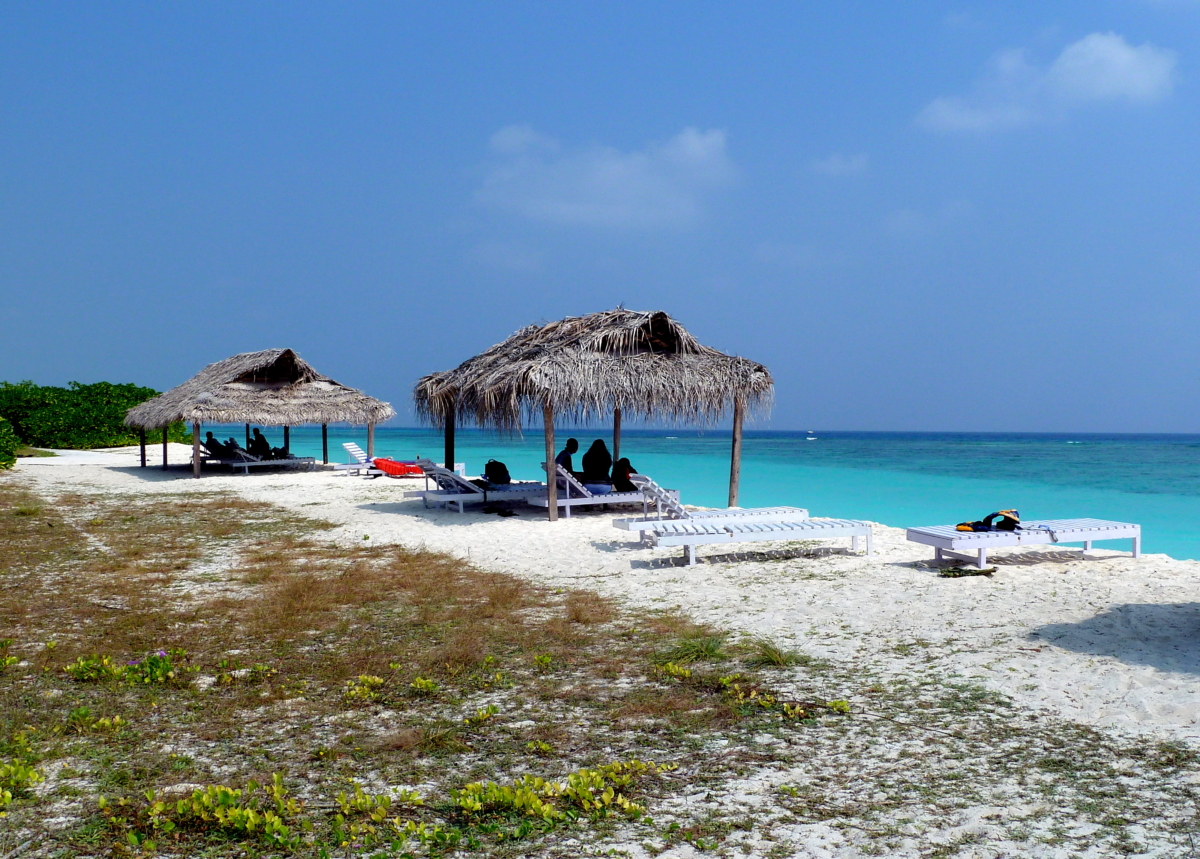
Kadmat Island, sometimes referred to as Cardamom Island, is one of the most attractive destinations in Lakshadweep for travellers interested in beaches, lagoons and water sports. Located in the Amindivi group of islands, Kadmat is a long, narrow island surrounded by the Arabian Sea and a large lagoon.
The island is particularly popular for scuba diving, snorkeling, kayaking, windsurfing and other water-based activities. Its clear lagoon and extensive sandy beaches create a beautiful setting for both adventure and relaxation.
Kadmat’s relatively long coastline means visitors can find stretches of beach where the atmosphere feels peaceful and uncrowded. The lagoon, meanwhile, provides calm waters in suitable weather conditions and is one of the island’s major natural attractions.
For travellers looking for a destination where they can spend most of their holiday outdoors, Kadmat is an excellent choice. Days can be divided between water sports, beach walks, snorkeling and simply relaxing beside the lagoon.
Amini Island – Traditional Crafts and Authentic Island Life
Amini Island is one of the inhabited islands of Lakshadweep and offers a more authentic glimpse into traditional island life. Compared with the better-known resort destinations, Amini has a quieter and more community-oriented atmosphere.
The island is surrounded by tropical vegetation, coconut palms, sandy beaches and lagoon waters. Its appeal is not limited to scenery; Amini is particularly interesting for visitors who want to learn about the traditional crafts, boat-building heritage and culture of the Lakshadweep island communities.
Amini has historically been associated with craftsmanship, including work involving coconut products and traditional materials. Local skills and handicrafts remain an important part of the island’s cultural identity.
Minicoy Island – Lakshadweep’s Distinctive Southern Culture
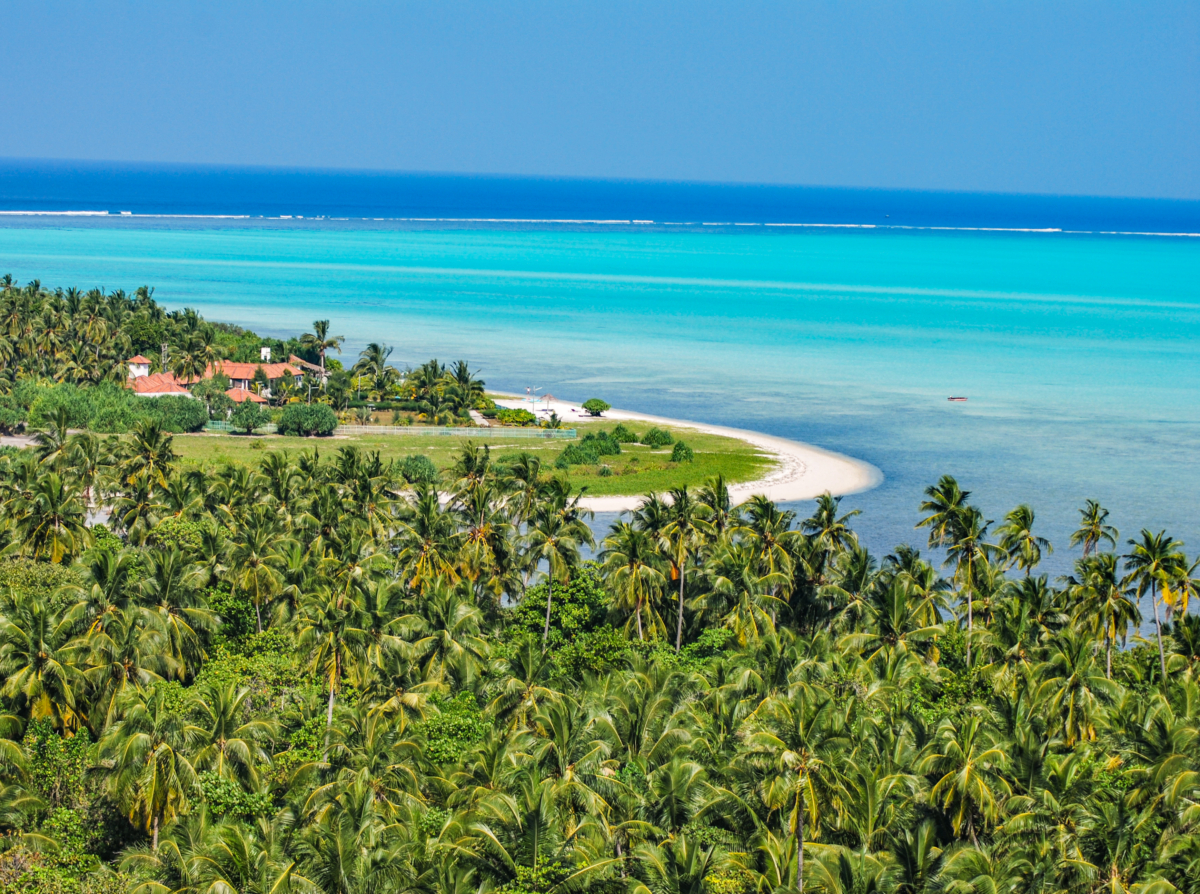
Minicoy, located at the southern end of the Lakshadweep archipelago, is one of the most culturally distinctive islands in the Union Territory. Known locally as Maliku, the island has a strong maritime heritage and cultural connections with the wider Indian Ocean region.
Unlike many of the northern Lakshadweep islands, Minicoy has its own language, Mahl, and distinctive traditions. Its architecture, village organisation, music and traditional dance make it particularly interesting for travellers who want to experience the cultural diversity of Lakshadweep.
The island is also famous for its crescent-shaped lagoon, white-sand beaches and historic lighthouse. The combination of tropical scenery and cultural heritage makes Minicoy one of the most rewarding islands for a longer Lakshadweep itinerary.
The Minicoy Lighthouse is one of the island’s best-known landmarks. Established during the colonial period, the lighthouse has guided vessels through the waters around the southern Lakshadweep islands for generations. Visitors should confirm current access and visiting hours before planning a lighthouse visit.
Bitra Island – A Remote Escape into Nature
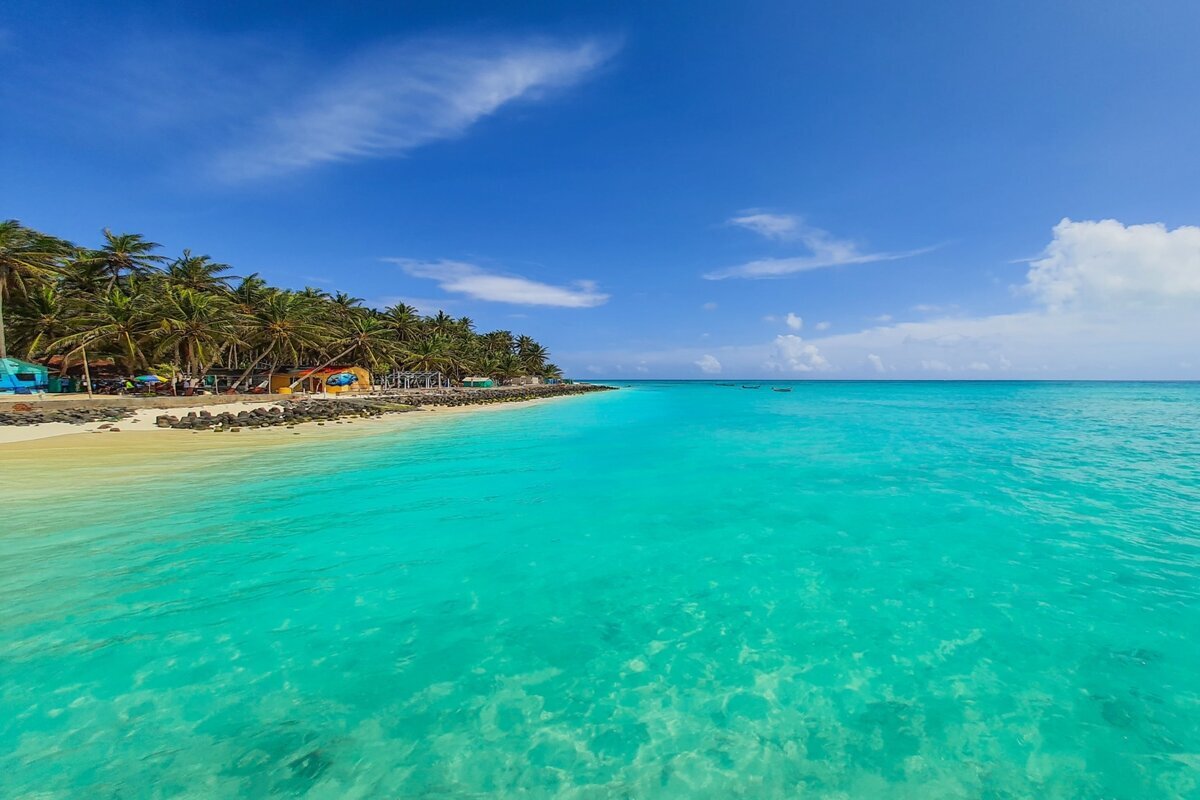
Bitra is one of the smallest inhabited islands in Lakshadweep and is an appealing destination for travellers interested in remote island landscapes and a slower pace of life.
Compared with the principal tourist islands, Bitra has much more limited tourism infrastructure. That is precisely what makes it interesting for visitors who want to experience the quieter side of Lakshadweep and observe a small island community surrounded by lagoon waters.
The island’s beaches, coconut palms and surrounding coral environment create a peaceful tropical landscape. The surrounding waters can also support snorkeling and marine exploration when conditions and local arrangements permit.
Minicoy or Bitra – Which Island Is Better for You?
| Preference | Recommended Island | Why |
|---|---|---|
| Cultural experiences | Minicoy | Distinctive language, traditional villages, Lava dance and maritime heritage |
| Remote island atmosphere | Bitra | Small community, limited tourism infrastructure and peaceful surroundings |
| Water sports | Minicoy | Lagoon activities, snorkeling and diving opportunities |
| Nature and birdwatching | Bitra | Quiet surroundings and a relatively undisturbed island environment |
Both islands offer something different. Minicoy is the better choice for travellers who want culture and sightseeing alongside beaches, while Bitra is more suitable for those seeking a quiet and remote island experience.
Kalpeni Island – Lagoon, Beaches and Beautiful Islets
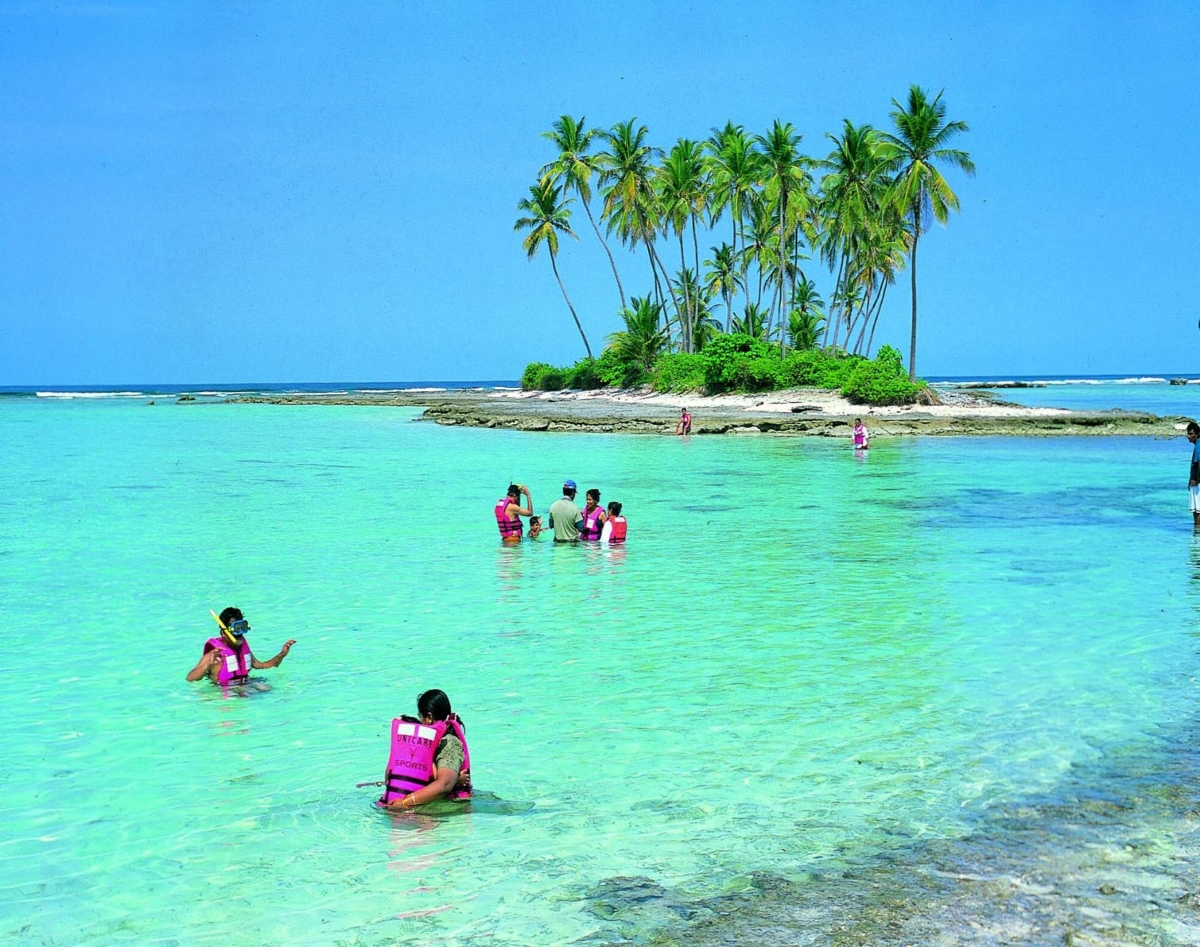
Kalpeni Island is one of the most scenic destinations in Lakshadweep, known for its expansive lagoon, coral reefs, white-sand beaches and a group of smaller islets nearby. The island offers an appealing combination of relaxation and water-based adventure.
The lagoon around Kalpeni is particularly attractive for snorkeling, kayaking, swimming and other water activities. Its shallow areas and clear water allow visitors to appreciate the underwater landscape without necessarily being experienced divers.
One of the most attractive areas of the island is Tip Beach, where visitors can enjoy long walks, photography and peaceful time beside the Arabian Sea. Coconut palms and the bright blue lagoon create the classic tropical setting for which Lakshadweep is famous.
Kalpeni is also associated with the smaller islets of Tilakkam, Pitti and Cheriyam. These uninhabited islets add another dimension to the island experience and may be visited by boat when local arrangements and conditions permit.
Suheli Par – A Remote Coral Atoll for Experienced Explorers
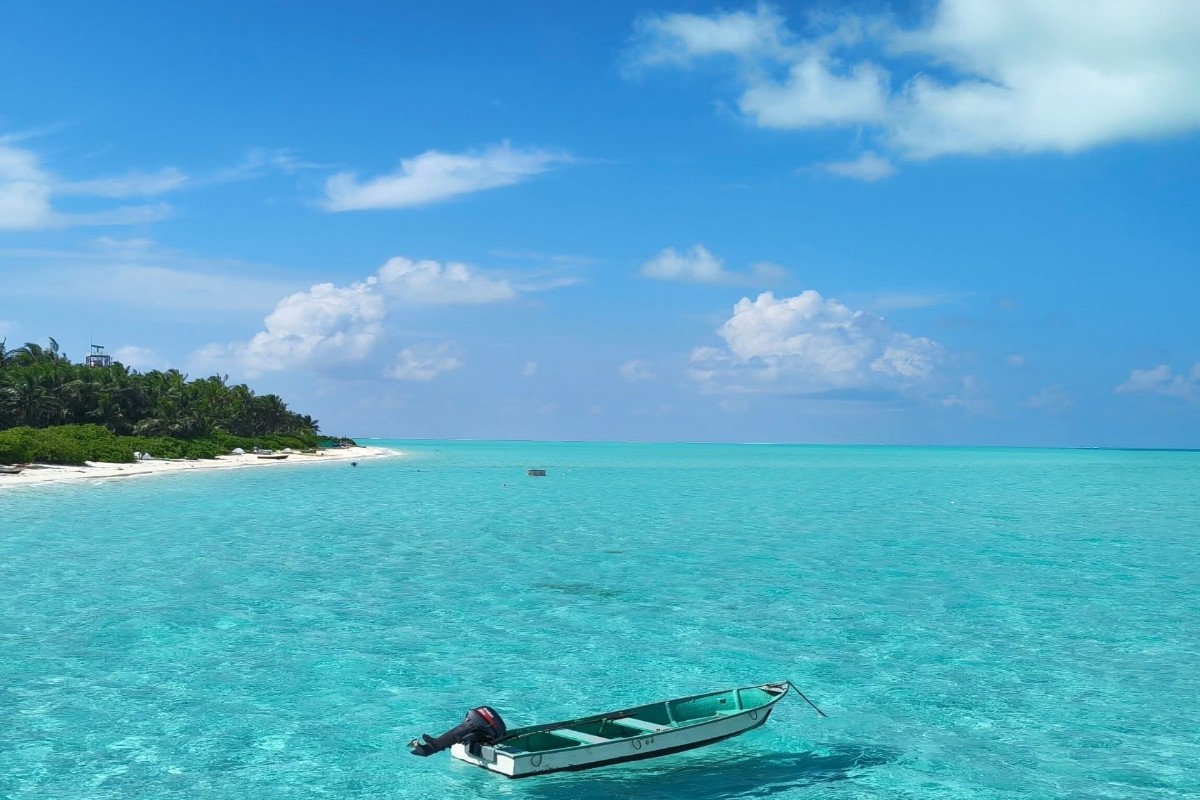
Suheli Par is a remote coral atoll in the southern part of the Lakshadweep archipelago. Unlike Agatti, Kavaratti or Kadmat, it is not a conventional tourist island with established hotels and regular passenger services.
The atoll consists of coral formations and small islands surrounded by a lagoon and reef environment. Its isolation makes it particularly attractive to experienced travellers interested in marine exploration, fishing, snorkeling and remote natural landscapes.
The waters surrounding the atoll can be remarkably clear when conditions are favourable. Coral formations and reef fish create an underwater environment that can be rewarding for experienced snorkellers and divers.
Kiltan Island – Quiet Beaches and Maritime Heritage
Kiltan Island lies in the northern part of Lakshadweep and is known for its peaceful beaches, lagoon environment and traditional maritime culture. It is considerably quieter than the principal tourist destinations and can appeal to travellers looking for a more authentic island atmosphere.
The elongated island is surrounded by lagoon and sea waters, with coconut palms and sandy beaches forming much of the landscape. The absence of large-scale tourism infrastructure gives Kiltan a distinctly local character.
Fishing is closely connected with life on Kiltan. Visitors may see traditional boats and fishing activities along the coast, providing a glimpse into one of the island community’s most important livelihoods.
Chetlat Island – A Peaceful Northern Island
Chetlat Island is a small inhabited island in northern Lakshadweep, surrounded by a lagoon and coral reef environment. It offers a peaceful alternative to the more established tourist destinations.
The island is characterised by coconut palms, sandy beaches and clear lagoon waters. The surrounding reef environment makes it potentially interesting for snorkeling and marine observation, subject to local facilities and sea conditions.
Chetlat is also a place where travellers can observe traditional island life. Fishing and coconut cultivation continue to play important roles in the community, and the scale of the settlement gives visitors a closer connection to local life.
Andrott Island – History, Culture and Traditional Island Life
Andrott Island, also spelled Androth, is the largest inhabited island in Lakshadweep by land area and has an important place in the history and culture of the archipelago.
Unlike the resort-oriented image associated with Lakshadweep, Andrott provides a stronger opportunity to experience an inhabited island community. Coconut palms, local settlements, fishing activities and historic religious sites form an important part of its character.
One of the island’s most important landmarks is the Juma Masjid, which is associated with the religious history of Lakshadweep. The island is traditionally linked with Saint Ubaidullah, whose arrival is an important part of local Islamic traditions.
Offbeat Lakshadweep Islands at a Glance
| Destination | Best Experience | Tourism Level |
|---|---|---|
| Kalpeni | Lagoon, beaches, kayaking and nearby islets | Moderate |
| Suheli Par | Remote marine exploration and fishing | Very limited |
| Kiltan | Local culture and peaceful beaches | Limited |
| Chetlat | Quiet island life and lagoon activities | Limited |
| Andrott | History, culture and traditional island life | Limited to moderate |
These destinations demonstrate why Lakshadweep is much more than a collection of tropical beaches. The islands differ considerably in their culture, accessibility, tourism infrastructure and natural surroundings. Choosing the right combination can make a major difference to your overall Lakshadweep experience.
Discover Lakshadweep’s Coral Reefs: A Subaquatic Adventure
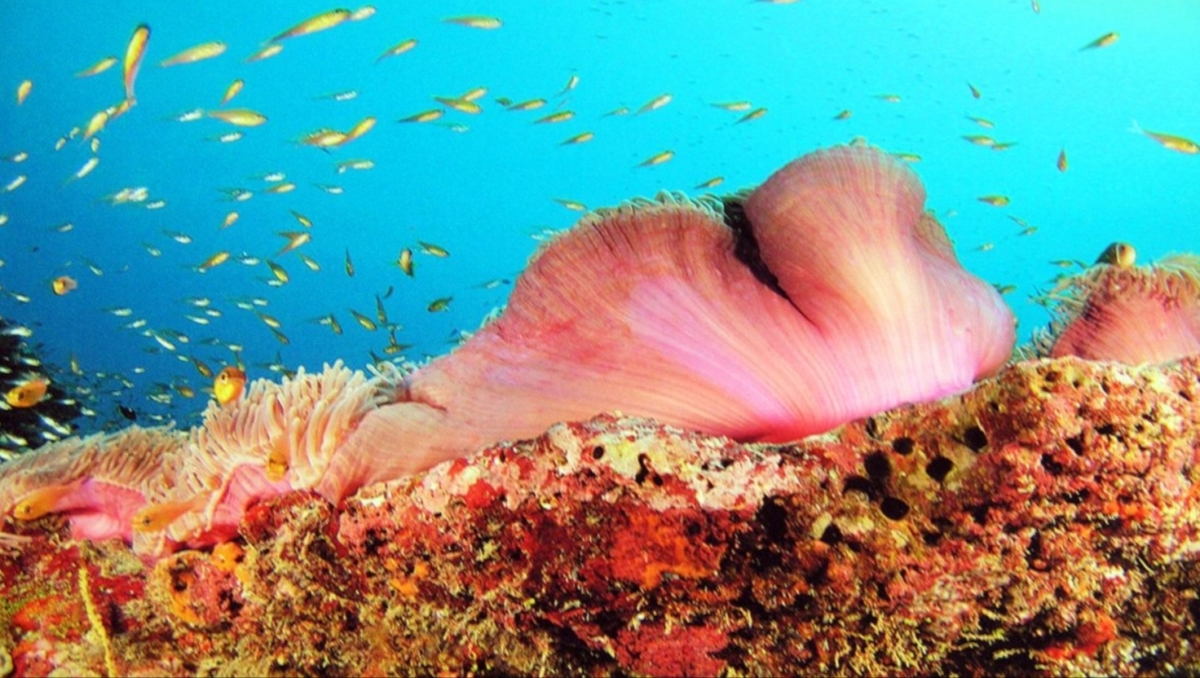
For many travellers, the most memorable part of a Lakshadweep holiday happens beneath the surface. The islands are surrounded by coral reefs, shallow lagoons, seagrass beds and clear tropical waters that support a remarkable variety of marine life.
Whether you are an experienced scuba diver, a first-time snorkeller or simply want to see the underwater world from a glass-bottom boat, Lakshadweep offers several ways to explore its marine environment.
Popular activities include scuba diving, snorkeling, kayaking, glass-bottom boat excursions and marine sightseeing. Conditions vary between islands and seasons, so the best activity for you will depend on your swimming ability, experience level, weather and the local operator’s recommendations.
Lakshadweep’s coral ecosystems have also experienced significant environmental pressure, including coral bleaching and other stresses. This makes responsible tourism particularly important. Coral reefs are living ecosystems, not rocks or ornaments, and physical contact can cause lasting damage.
Surfing in Lakshadweep – A Guide for Adventure Seekers
Surfing is not the first activity most travellers associate with Lakshadweep, but the archipelago can receive interesting swells from the Arabian Sea. For experienced surfers, the islands may offer opportunities when swell, wind, tides and local access conditions align.
The Arabian Sea surf season is generally associated with the months when larger swells reach the region. However, the southwest monsoon can also bring strong winds, heavy rain and rough seas, making conditions unsuitable or unsafe at times.
Surfing should therefore be approached very differently from snorkeling or swimming in a protected lagoon. Travellers should rely on experienced local guides or operators and never enter exposed surf areas without understanding the local conditions.
Best Time to Visit Lakshadweep
The best time to visit Lakshadweep for most travellers is generally during the fair-weather season from October to May. During this period, sea conditions are generally more suitable for inter-island travel, sightseeing and water activities.
The months from October to March are particularly attractive for travellers who prefer pleasant weather and comfortable beach conditions. April and May can also be good for beach holidays, although temperatures may become warmer.
The southwest monsoon, generally associated with June to September, can bring rough seas, heavy rain and disruptions to sea transportation. Some tourism facilities and inter-island services may operate differently during this period.
| Months | Conditions | Best For |
|---|---|---|
| October – November | Generally pleasant; sea conditions improving | Beaches, sightseeing and water activities |
| December – March | Popular travel period with generally favourable weather | Family holidays, honeymoon trips and water sports |
| April – May | Warmer, with suitable periods for marine activities | Beach holidays, diving and snorkeling |
| June – September | Southwest monsoon; rougher seas and more weather disruption | Not the preferred period for most leisure trips |
Weather patterns can vary from year to year, so the forecast should always be checked before travelling, particularly if your itinerary involves multiple islands.
How to Reach Lakshadweep
Kochi in Kerala is the principal gateway for travellers travelling to Lakshadweep from mainland India. Visitors can reach the islands by air or sea, depending on the destination and current service schedule.
By Air
Agatti Airport is the main air gateway for Lakshadweep and the only airport in the Union Territory with scheduled passenger air connectivity. Flights from Kochi connect travellers with Agatti, from where onward transfers to other islands may be possible depending on the current schedule and weather conditions.
The spectacular approach to Agatti is itself an unforgettable part of the journey, with the narrow island and surrounding lagoon visible from the aircraft.
By Ship
Passenger ships operate between Kochi and Lakshadweep according to schedules published by the Lakshadweep Administration. Sea travel can take considerably longer than flying but can be useful for travellers who prefer a vessel journey or whose itinerary is designed around ship connections.
Inter-island vessel services also connect different islands, but schedules can vary according to season, weather, vessel availability and operational requirements.
Always confirm the latest official Lakshadweep travel and transportation information before booking a fixed itinerary.
Lakshadweep Travel Tips for First-Time Visitors
- Obtain your entry permit before travelling: Do not assume that you can arrive without the required permit.
- Check island eligibility: Access rules can differ for Indian and foreign visitors and can change over time.
- Keep your itinerary flexible: Sea transportation is affected by weather and operational conditions.
- Book accommodation early: Room availability can be limited, particularly during the popular travel season.
- Carry sufficient essentials: Depending on your island, shops and services may be limited.
- Respect local customs: Lakshadweep has a distinct island culture and predominantly Muslim communities.
- Protect the coral reefs: Never touch, stand on or collect living coral.
- Avoid single-use plastic: Waste management is particularly important on small islands.
- Use reef-safe practices: Avoid products that may unnecessarily harm marine ecosystems.
- Follow local instructions: Boat operators and tourism authorities know the local currents, tides and safe activity areas.
Frequently Asked Questions About Places to Visit in Lakshadweep
How many islands can tourists visit in Lakshadweep?
Access depends on the visitor’s nationality, permits, applicable regulations and the current tourism arrangements. Indian citizens with the required permit can visit the islands permitted under the prevailing rules, while foreign visitors have specific island restrictions. Always check the latest official rules before planning your itinerary.
Which is the best island to visit in Lakshadweep?
There is no single best island for everyone. Agatti is excellent for first-time visitors and air access, Bangaram is ideal for a secluded tropical holiday, Kavaratti is excellent for diving and sightseeing, Kadmat is particularly attractive for water sports, and Minicoy is the strongest choice for travellers interested in distinctive local culture.
Which island is best for scuba diving in Lakshadweep?
Kavaratti, Kadmat, Agatti, Bangaram and Minicoy are among the better-known diving destinations. The best choice depends on your certification level, the current dive sites being operated, sea conditions and underwater visibility.
Is Lakshadweep suitable for a family holiday?
Yes. Islands such as Agatti, Kavaratti and Kadmat can be suitable for families, particularly those looking for beaches, lagoon activities and a quieter environment. Families should choose activities appropriate to children’s ages and swimming abilities and follow all local safety instructions.
Is Lakshadweep good for a honeymoon?
Yes. The secluded beaches, turquoise lagoons, spectacular sunsets and limited tourism development make Lakshadweep particularly attractive for couples. Bangaram and Agatti are especially appealing for travellers seeking a romantic tropical setting.
Can foreigners visit Lakshadweep?
Yes, but foreign visitors are subject to specific entry and island-access rules. The currently published Lakshadweep Administration guidance permits foreign tourists to visit Agatti, Bangaram and Kadmat, subject to the applicable permit and travel requirements. Rules should be verified immediately before travel because government regulations can change.
Is an entry permit required for Lakshadweep?
Yes. Visitors must obtain the required permission or entry permit before travelling to Lakshadweep. The exact process and requirements depend on the visitor’s nationality and the current regulations.
Can I visit uninhabited islands such as Thinnakara or Kalpitti?
Some uninhabited islands and islets can be visited through authorised or locally arranged excursions, but they should not be treated like regular tourist destinations. Access may depend on permits, tourism arrangements, weather, tides and environmental restrictions.
What is the best time to visit Lakshadweep for snorkeling and diving?
For most visitors, the fair-weather months between October and May provide the most practical conditions for marine activities. Visibility and sea conditions can still vary from day to day, so local advice should always be followed.
How many days are enough for Lakshadweep?
A 4 to 6 day itinerary can provide a good introduction to Lakshadweep, while a longer trip allows travellers to combine multiple islands and include more water activities. The ideal duration depends on the number of islands you want to visit and the availability of inter-island transfers.
Final Thoughts: Which Places to Visit in Lakshadweep Should You Choose?
Lakshadweep is not a destination that should be rushed. Its greatest attraction lies in the combination of turquoise lagoons, coral reefs, white-sand beaches, marine life, island culture and extraordinary tranquillity.
For a first visit, Agatti provides the easiest introduction and convenient air access. Bangaram is ideal for travellers dreaming of a secluded tropical island, while Kavaratti offers a combination of diving, sightseeing and cultural experiences. Kadmat is particularly appealing to water-sports enthusiasts, while Minicoy stands apart because of its distinctive southern culture and maritime heritage.
Travellers looking for a more offbeat experience can explore islands such as Kalpeni, Amini, Bitra, Kiltan, Chetlat and Andrott, provided the required permissions, accommodation and transportation are available.
Remote destinations such as Kalpitti, Thinnakara, Parali, Perumal Par and Suheli Par should be considered specialised excursions rather than conventional hotel destinations. Their natural beauty is precisely why responsible access and environmental protection are so important.
The most important thing to remember is that Lakshadweep is a fragile coral-island ecosystem. The beauty that attracts travellers here depends on healthy reefs, clean lagoons and thriving marine life. By travelling responsibly, respecting local communities and following the rules governing protected areas and marine activities, visitors can help ensure that this extraordinary destination remains beautiful for future generations.
Ready to Explore Lakshadweep?
Planning a Lakshadweep holiday can be complicated because permits, flights, ships, inter-island transfers and accommodation all need to work together. Our Lakshadweep Tour Packages can help you plan your island experience with suitable itineraries and travel arrangements.
You can also explore our detailed Lakshadweep Islands Travel Guide for additional information before planning your trip.
Official Lakshadweep Information
For current information about permits, transportation, tourism regulations and island access, always refer to the official Lakshadweep Administration website before travelling.